Nobody was telling the mini-tour story, and everyone who could sell it wanted a name first
Mini-tour golfers sit one tier below the PGA Tour. They pay their own entry fees, drive to the next event, and live one good season from a card and one bad one from quitting. I had known players like that for years, and nobody was telling their story. Drive to Survive had already shown that an audience will watch the gap between what the elite earn and what the grinders risk, and Full Swing brought that format to golf the same month I started this venture, February 2023. Both shows were built on names the audience already knew. My concept was the same format on players nobody knew, with real jeopardy in place of recognition: a man who misses the cut this week loses his van, his sponsor and possibly his career. I pitched it to myself and then to partners as Last Chance U for golf, because that comparison tells a producer in five words what the show is.
The seat is creator. I set the concept, formed the entity, wrote the structure, ran the partner relationships and ran the business model. Common Ground's brand team came in after the concept existed and built the brand and the deck. Our capital partner worked the early money with me. Jasper Sports Management was formed to contract the golfers and sits under the venture. Sugar23, Michael Sugar's company, and Front Office Sports came on as executive producers, and Winterstone Pictures took production. All of that was verbal, and in this industry verbal is signed; I come back to that below.
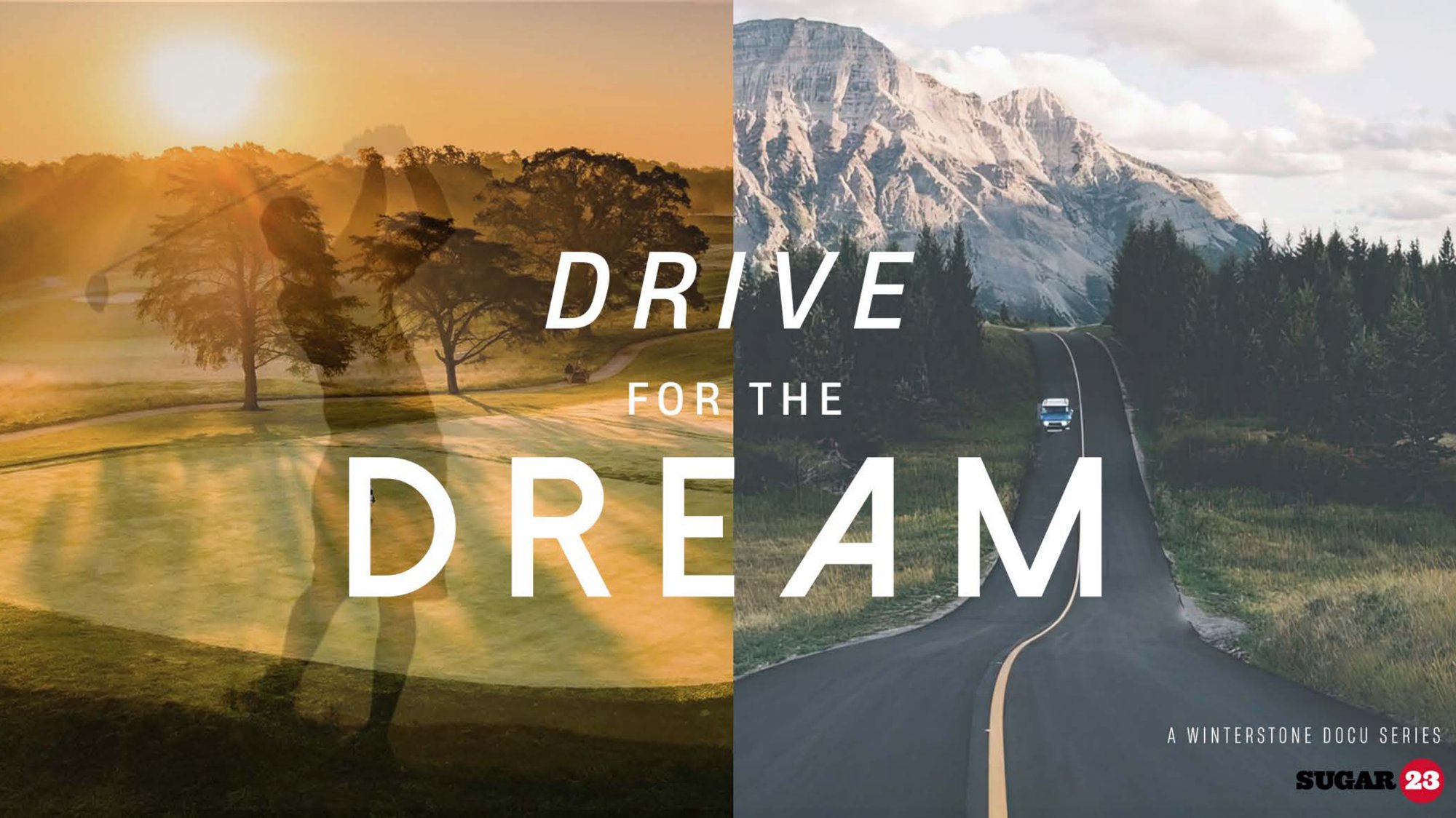
Where the venture stood in its first two years, plainly: a format proven on famous people, a cast with no ranking and no following, credentialed partners who had said yes on a handshake, and one path to money, a platform buying the show and funding it. That path puts the venture's calendar in a gatekeeper's hands. Everyone I met liked the footage and liked the cast, and asked who else was attached before they would move. The story was never the scarce asset. A name with more standing than mine, willing to vouch for an unproven idea before a buyer said yes, was.
What the venture actually needed came in two parts, and the second was not visible at the start. First, proof no platform had to approve: a signed cast, real producers, footage of the actual chase. Second, once the platform path capped what the show could earn on its own timeline, a way to sell what the venture already controlled, which only works if the golfer agreements give the venture the in-show rights instead of leaving them with the golfer.
Sign first, pitch second; then change the money, not the show
The usual sequence for a docuseries is to build a deck, pitch a platform, and start signing once someone commits. I did not do that, for one reason: a platform-first venture waits on a calendar it does not own, and every month of waiting is a month the cast can be signed by somebody else. So the first product was not a pitch. It was a produced cast and a partner roster a platform would otherwise have had to fund and approve itself. We bought the vans, put the golfers in them, and filmed the chase as it happened. Some won. One got through a Monday qualifier. Sponsor dollars came in. That is proof, and proof is what earned the meetings.
Proof did not close a platform deal, and by early 2026 the reason was clear. The content-and-equity model made the venture's biggest possible outcome its only path to revenue. The choices on the table were to change the format, change the cast, or change the money. The format and the cast were the asset. The money was the constraint. On April 10, 2026 the venture moved to a sponsorship-only model. The show and the cast did not change. Who pays first did.
That pivot only works if the venture owns what it is selling. A brand that already pays one of the golfers can keep paying him directly and get on-camera exposure as a byproduct, at lower cost and with no show-level negotiation, unless the agreement says otherwise. So the golfer agreements were written to say otherwise: exclusive in-show rights and the show's brand rights sit with Drive for the Dream, and the agreement follows the golfer who earns a tour card, with a percentage of his earnings. The first two provisions keep the sponsor with the venture. The third means the venture is paid for the outcome it exists to produce, instead of losing its best story the week it becomes worth something.
On the handshakes. Front Office Sports is not under a fixed contract; it is some cash and some materials, and Sugar23 and Winterstone are the same kind of yes. That is how entertainment works, and I treat a verbal from a partner of that standing as signed. What I do not do is describe it as more than it is. Nothing is placed. The ideal outcome is a Netflix miniseries that runs into Full Swing, and we have spoken to its producer.
How I came at this one
The first question was what the venture could assemble that nobody had to approve first, and the answer was the cast, the producers and the footage: build the proof before the ask. That question fit because a media venture with no audience has nothing to sell but proof. The second question, once the money moved to sponsorship, was whose incentive it was to route around us, the golfer's and the sponsor's, which is why the agreements had to hold the rights.